Termite Treatment Help for Homeowners
Request an estimate from a local provider
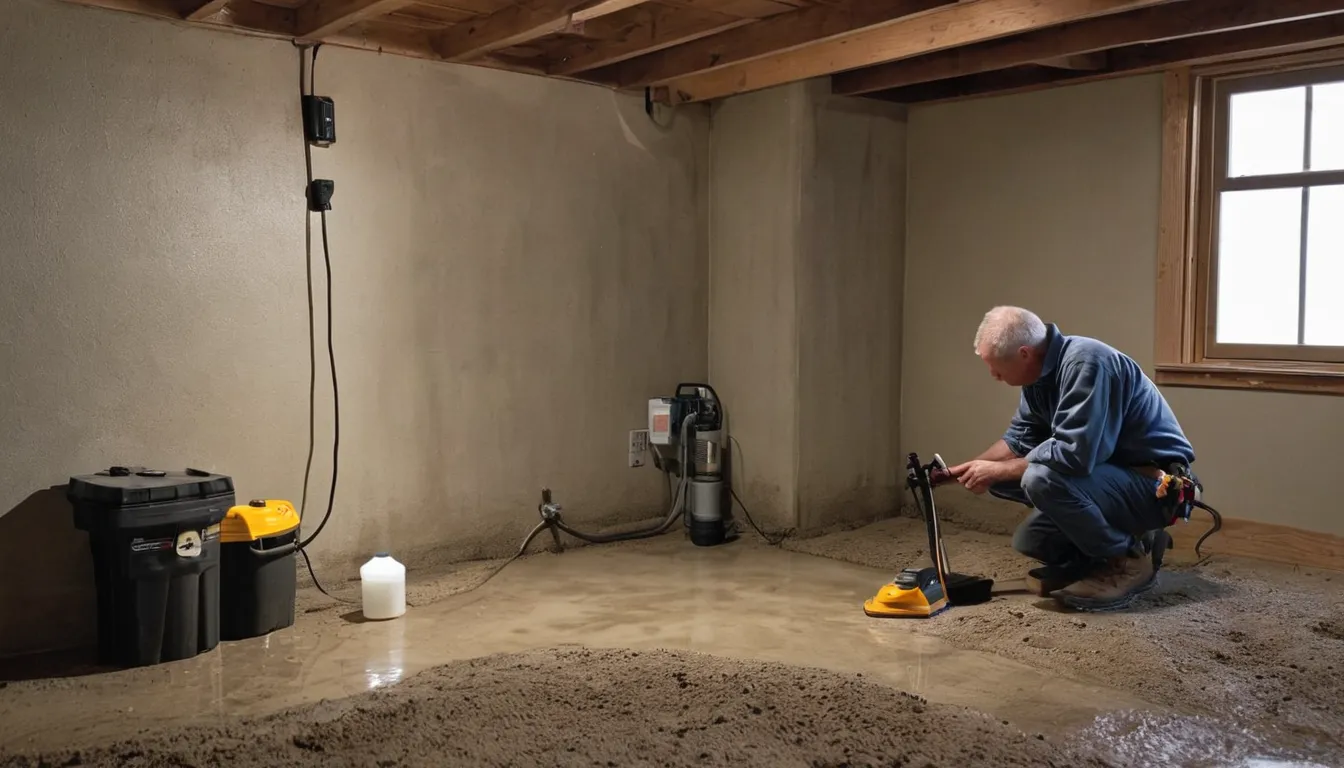
Finding a hint of termites in your home can make your stomach drop. Slow breath first. Termites work quietly, and you almost always have time to learn the facts and make a calm plan.
Dualmoment Pest Control is a referral service. We do not treat homes. We connect you with independent providers in our network who inspect, explain what they find, and put the price in writing. This page walks you through the early signs, the main treatment methods, what drives the cost, and how to compare quotes. Request an estimate with no obligation, and use the details here to ask good questions.
Think You Have Termites? Start Here
Slow breath first. Termites work quietly, and a few days will not bring your house down. Still, you want a plan soon. Here is what to do, in order.
Three Steps to Take Now
- Note where you saw the sign, and snap a photo.
- Leave the spot alone. Do not spray it or sweep away the evidence.
- Request an estimate from a provider in our network.
Why Termites Need Prompt Attention
Termites eat wood from the inside out. In frame houses from many decades, that wood hides behind plaster, paneling, and basement walls. The damage grows slowly, but it does grow.
Catch it early and the repair is often small. Wait a few years and a sill plate or floor joist may need replacing. Treatment is one cost. Wood repair is another. The longer termites feed, the bigger the second bill can get.
Know the Early Warning Signs
Most people spot one small clue first. These are the common ones.
Mud Tubes on Foundation Walls
These pencil-wide tunnels of dirt run up concrete or stone. Check basement walls, the area near the sump pit, and around pipes.
Swarmers and Shed Wings
Winged insects indoors, or tiny piles of clear wings on a windowsill, often point to a mature colony nearby.
Hollow Wood and Stuck Doors
Tap baseboards and trim with a screwdriver handle. A papery, hollow sound is a clue. Doors and windows that suddenly stick, or paint that bubbles, can be another.
Frass and Soft Floors
Tiny pellets that look like sawdust can point to drywood termites. Soft or sagging spots in a floor deserve a closer look too.
Why Spring and Damp Basements Matter
Warm, humid weather brings swarms, often after spring rain. Flooding and sump pump trouble add moisture to the soil beside your foundation. Termites like that. If your basement runs damp, tell the provider.
Types of Termites
There are three main kinds. A provider can tell you which one you have, because the treatment depends on it.
Subterranean Termites
These live in the soil and build mud tubes. In regions with cold winters and deep frost, they are the usual worry. They dig below the frost line and travel back up to your house.
Drywood and Dampwood Termites
Drywood termites live inside dry wood and leave small pellets. Dampwood termites favor wet, rotting timber. Both are less common in cold climates, but they do turn up, sometimes in furniture or lumber brought indoors.
How Termite Treatment Works
It starts with an inspection. The provider checks the foundation, basement, crawl spaces, and attic, then explains what they found in plain words.
Liquid Barriers and Bait Stations
For subterranean termites, a provider may treat the soil around the foundation with a liquid product. Or they may set bait stations that termites carry back to the colony. Some homes get both.
Spot and Wood Treatments
Small, local problems may need only a targeted treatment on the affected wood. Drywood cases can call for heat or whole-structure methods, which cost more.
What Drives the Price
No two houses cost the same. The main factors are the size of your home, how many feet of foundation need treating, the method, and how far the problem has spread. A finished basement can take more work than an open crawl space.
Ask for a written quote that lists the method, the area covered, the product, and any follow-up visits. Get it in writing. Then compare two quotes line by line, not just the bottom number.
Termite Inspections for Home Sales
Buyers and lenders often ask for a termite report. If you are selling, an inspection before you list lets you handle any finding on your own schedule. If you are buying, ask who wrote the report and what areas it covered.
Choosing a Termite Provider
Typing exterminator near me gives a long list. Narrow it with a few questions.
- Is the provider licensed in your state? Ask to see it.
- Is the quote written and itemized?
- Which method do they suggest, and why?
- What follow-up visits are part of the price, and what do later visits cost?
- Who handles repair of any damaged wood?
A solid provider answers calmly and does not pressure you. Providers in our network are independent, so each sets its own prices and terms.
After Treatment
Treatment is not the end of the story. Expect a follow-up check, and keep your paperwork in a safe place. Many residential pest control plans include a yearly visit.
You can help too. Keep gutters clear and downspouts pointed away from the house. Fix leaks. Store firewood and mulch away from the foundation. Make sure your sump pump works. Many policies exclude termite damage, so check your policy, and ask whether the provider can help document damage for a claim.
Ready When You Are
You do not have to figure this out alone. Send a request, compare what comes back, and take your time.
What's Included
Inspection Visit
A provider checks the foundation, basement, crawl spaces, and attic, then explains what they found.
Written Quote
You get the method, area, and price spelled out before any work starts.
Treatment Options
Liquid barriers, bait stations, or spot treatments, matched to the termite type.
Follow-Up Checks
Many providers offer return visits to confirm the termites are gone and stay gone.
Typical Termite Treatment Costs
These are typical U.S. ranges. Your price depends on home size, termite type, and how far the problem has spread. Always get a written quote before you agree to anything.
| Item | Typical range | Notes |
|---|---|---|
| Termite inspection | $75 – $300 | Fees vary; some providers fold it into treatment |
| Spot treatment | $250 – $900 | For small, local activity in one area |
| Liquid soil barrier | $1,000 – $3,000 | Priced by feet of foundation treated |
| Bait station system | $1,200 – $3,500 | Often includes monitoring visits |
| Whole-structure drywood treatment | $2,000 – $8,000 | Heat or fumigation; size of home matters |
| Yearly monitoring plan | $100 – $400 | Check what each visit covers |
How It Works
Spot and Photograph
Note where you saw mud tubes, wings, or soft wood, and take clear photos.
Request an Estimate
Send a short request and a local provider in our network reaches out.
Inspection and Quote
The provider inspects, explains the findings, and gives you a written quote.
Treatment and Follow-Up
If you agree, the provider treats the home and schedules a check afterward.
Why Call Dualmoment Pest Control
Damage Hides From View
Termites feed inside walls and framing, so a small surface clue can mean more out of sight.
Small Fixes Cost Less
Treating a young problem is usually far cheaper than replacing beams, joists, or sill plates later.
Moisture Invites Them
Damp basements and spring flooding make soil near your home friendlier to termites.
Quotes Bring Clarity
A written quote lets you compare methods and prices without pressure.
Other Services
Need termite treatment help in Brooklyn Park?
Tell us what you are seeing at home. Request an estimate, or ask a question first. There is no obligation, and a local provider can follow up.
No obligationTermite Treatment Help FAQ
How much does termite treatment cost?
Typical U.S. costs run from a few hundred dollars for a spot treatment to several thousand for a full barrier or whole-home method. Home size and damage change the price, so get a written quote first.
What are the first signs of termites in a house?
Common early signs are mud tubes on foundation walls, discarded wings near windows, hollow-sounding wood, and doors that suddenly stick. If you see any of these, take photos and request an inspection from a local provider.
Does homeowners insurance cover termite damage?
Many policies exclude termite damage because it is seen as a maintenance issue. Read your policy or ask your insurer. Providers can often help document damage for a claim.
Reach a local provider
Tell us what you are seeing at home. Request an estimate, or ask a question first. There is no obligation, and a local provider can follow up.
No obligation